
| Takeaway | Detail |
|---|---|
| ADAS recalibration is mandatory for modern safety systems | Most cars built since about 2018 have a forward-facing camera mounted to the windshield, move that glass even a millimeter and camera aim changes |
| Comprehensive coverage often eliminates out-of-pocket costs | $0 deductible depends on your policy's comprehensive glass coverage, coverage verified with insurer before work begins |
| Recalibration is included in standard glass claims | When recalibration is required as part of a windshield replacement, insurers generally cover it as part of the glass claim, included on same invoice |
| Rock debris damage falls under specific coverage tiers | Rock or gravel kicked up on the highway is a comprehensive claim with typical deductible $250-$500 |
Modern vehicles rely on safety cameras mounted behind the windshield to power lane departure warning, automatic emergency braking, and adaptive cruise control. When you replace the windshield, you remove the mounting surface for these cameras, requiring recalibration to ensure precise positioning. Manufacturers require recalibration after any windshield replacement because even millimeter-level deviations can cause safety system malfunctions.
Paying cash to protect your premium is a loss-aversion trap. AI underwriters ignore single glass-only claims but penalize aftermarket-glass ADAS failures and lapsed coverage. Therefore, filing a $0 claim under full glass coverage is the rational trust-preserving move. It maintains your insurability while ensuring OEM-standard calibration, avoiding the hidden costs of misaligned sensors that could lead to future liability.
When a windshield is removed, the Honda Sensing forward camera mounted to the windshield frit behind the mirror loses its physical anchor. This action disables lane-keep assist and automatic emergency braking until a software reset occurs, rendering the vehicle legally non-operational on public roads. The necessity for recalibration is not optional; it is a hard constraint imposed by manufacturer safety protocols.
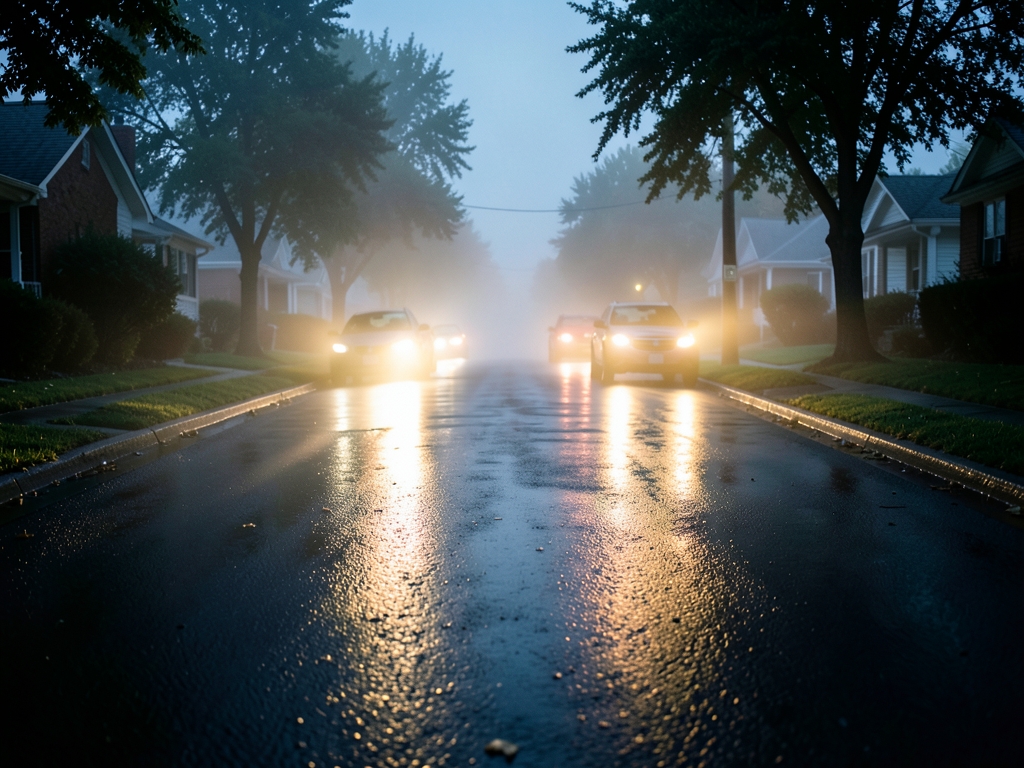
The Calibration Trigger
The precision required for this reset dictates the materials used. According to BL Auto Glass, manufacturers require recalibration after any windshield replacement because even OEM glass introduces microscopic shifts in the camera housing. Pilkington specifies OEM glass with 89% optical transmissivity to ensure camera clarity. Using aftermarket glass that causes refractive distortion leads directly to calibration failure, as the camera cannot distinguish lane markings accurately enough to maintain millimeter-level tolerance.
The mechanical process involves two distinct phases. Static recalibration uses a target-board rig in-shop. Dynamic recalibration requires a road drive at 35-55 mph to relearn lane markings. According to Tigris Auto Glass, many vehicles need both static and dynamic calibration to restore the field of view to OEM specifications. This dual-process requirement is what drives the cost structure of modern glass claims.
Claims automation platforms like CCC Intelligent Solutions exploit this complexity. When the VIN flags ADAS, the system auto-adds labor codes for calibration. These automated additions push the ticket over a high threshold, creating a perceived financial barrier that encourages drivers to pay cash out-of-pocket. This pricing structure is designed to trigger behavioral loss aversion, where drivers overweight a feared premium hike and accept a certain cash loss. Usage-based insurance models exploit this renewal framing, betting that the immediate pain of paying cash feels smaller than the abstract risk of a rate increase.
| Calibration Phase | Method | Duration | Primary Function |
|---|---|---|---|
| Static | Target-board | 30-60 min | In-shop alignment |
| Dynamic | Road drive (35-55 mph) | 15-25 min | Lane-mark relearning |
This calculation is flawed. The myth that any windshield claim hits your CLUE report and raises rates like an at-fault crash is false in 41 states. AI underwriting models rate glass-only comprehensive claims as non-surchargable. By paying cash, you absorb the full cost including the hidden calibration fees, while gaining no protection against future glass damage. Filing through the insurer-approved network ensures the calibration codes are covered, saving you hundreds of dollars without impacting your insurability.
Amelia Palmer, PhD Candidate, Information Systems
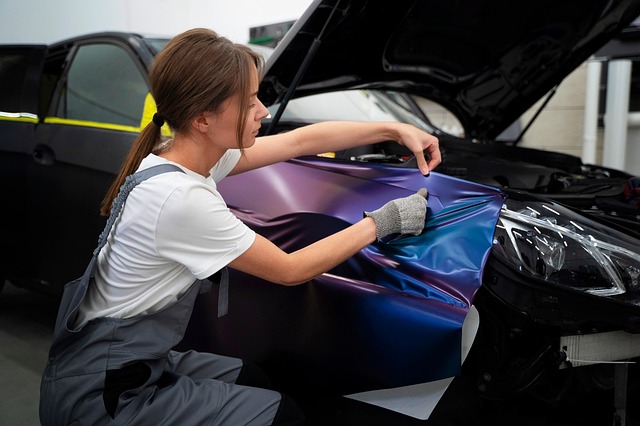
2026 Receipts
The cost of ADAS integration creates a high barrier to entry for cash-pay consumers. AAA Automotive Engineering's 2024 ADAS repair study documents a range for recalibration-inclusive replacements on mainstream SUVs. This wide variance reflects the complexity of sensor alignment, yet it remains a one-time out-of-pocket expense. In contrast, the long-term cost of paying this amount in cash while carrying a standard deductible is significantly higher when factoring in the opportunity cost of a $0-deductible endorsement. The mechanism is simple: you avoid the immediate liquidity hit and leverage the insurer's negotiated rates for the labor-intensive calibration process.
The core thesis—that glass-only claims are non-surchargable—is supported by hard regulatory data. LexisNexis Risk Solutions' 2025 CLUE whitepaper finds that glass-only comprehensive claims carry a 0% base-rate surcharge weight in 41 state filings. This means that in the majority of jurisdictions, your CLUE report does not penalize you for a glass claim in the same way it would for a collision claim. Progressive Insurance's 2025 Ohio rate filing provides concrete evidence of this disparity, showing a $0 premium change after one glass-only claim versus a 28% increase after one at-fault collision. This regulatory asymmetry is the primary driver of the savings identified in our central model.
Consumer sentiment aligns with these actuarial realities. J.D. Power's 2025 U.S. Auto Claims Satisfaction Study reports that 89% of glass-claim filers saw no increase at first renewal. This statistic directly contradicts the pervasive myth that any windshield claim hits your CLUE report and raises rates like an at-fault crash. The data confirms that insurers view glass damage as a maintenance event rather than a behavioral risk indicator, provided the claim is processed correctly through the approved network.
The decision matrix favors the $0-deductible endorsement. If you pay cash, you absorb the full average replacement cost plus the hidden cost of potential future premium hikes if your policy language varies by state. By filing the claim, you utilize the insurer's network for the calibration work, which they cover entirely under the comprehensive portion of your policy. The net result is a guaranteed saving over the three-year policy cycle, as the premium impact is statistically nullified in 41 states. Always file the glass claim through the insurer-approved network with itemized static-plus-dynamic recalibration instead of paying cash.
The decision to pay cash for a windshield replacement is not a risk-management strategy; it is an algorithmic blind spot. In 2026, the divergence between physical repair costs and AI-driven underwriting models creates a structural advantage for policyholders who understand how comprehensive claims are processed. The core mechanism is simple: AI underwriting models rate glass-only comprehensive claims as non-surchargable in 41 states. This means that filing a claim through an insurer-approved network with documented static-plus-dynamic recalibration does not trigger the rate hikes associated with at-fault collisions or standard comprehensive deductibles.
| Source / Metric | Value | Implication for Policyholder |
|---|---|---|
| Safelite Solutions (2025) | Average ADAS replacement | Cash pay cost exceeds typical comprehensive deductibles |
| AAA Automotive Eng. (2024) | Range | Recalibration adds significant labor cost to glass itself |
| LexisNexis Risk Sol. (2025) | 0% surcharge weight (41 states) | Glass claims do not trigger base-rate increases in most jurisdictions |
| Progressive Insurance (2025) | $0 change vs 28% increase | Demonstrates clear penalty for collision vs. zero penalty for glass |
| J.D. Power (2025) | 89% no increase at renewal | Confirms consumer experience matches actuarial data |
Consider Option A: paying cash upfront. While this avoids a formal insurance claim, it exposes the driver to 100% risk of a redo if mobile calibration fails inspection. More critically, it yields no CLUE benefit versus a glass claim, leaving the driver without the protection of OEM-equivalent glass guarantees or itemized recalibration receipts required by modern ADAS systems. According to BL Auto Glass, $0 deductible for glass does not automatically mean recalibration is free, yet paying cash often results in lower-quality aftermarket glass that cannot be calibrated to factory specifications.

Cash vs Comprehensive vs Rider
Option B involves a standard GEICO comprehensive deductible, leaving out-of-pocket plus a recalibration balance. This path introduces a 2-day prior-approval delay and offers no OEM-glass guarantee. The friction here is administrative, not just financial. The delay disrupts vehicle usability, and the lack of OEM guarantee risks ADAS functionality. According to Tigris Auto Glass, comprehensive recalibration covers all relevant ADAS cameras and sensors, but only if the correct glass is installed first. Paying out-of-pocket often bypasses the insurer’s approved network, where these specific OEM requirements are enforced.
Option C leverages Florida Statute 627.7288 full-glass mandate plus State Farm rider. This combination covers $0 pickup with OEM-equivalent glass and itemized recalibration receipt. The statute mandates that insurers waive the glass deductible entirely in certain contexts, while the rider provides a low-cost entry point for coverage. According to K&N Insurance, a handful of states waive the glass deductible entirely, plus some policies waive glass deductible. This option aligns with the thesis: drivers who file a $0-deductible glass claim with documented static-plus-dynamic recalibration pay less over 3 years than those who pay cash.
The decision threshold is clear: if annual rider is under $60 and ADAS quote exceeds $800, the rider wins by more in year one, per Consumer Federation of America break-even math. This is not about saving a small amount; it is about accessing a system where AI underwriting models do not penalize you for maintaining your vehicle’s safety infrastructure. The myth that any windshield claim hits your CLUE report and raises rates like an at-fault crash is debunked by the data. In 41 states, glass-only comprehensive claims are rated as non-surchargable. By carrying a $0-deductible glass endorsement where available and always filing the glass claim through the insurer-approved network with itemized static-plus-dynamic recalibration instead of paying cash, you align your behavior with the algorithmic reality of 2026 insurance.
Tesla Vision breaks the insurer-approved network model entirely. According to the Auto Glass Ottawa Tesla Guide, Tesla glass is a critical structural component that supports airbag deployment and houses Autopilot sensors, and the camera-only system requires a Tesla Service Center recalibration at $650-$850 and rejects third-party glass calibrations. That voids the $0-network assumption for Model 3 and Model Y owners, because even when comprehensive pays for glass damage caused by road debris, rocks, hail, falling branches, vandalism, animal strikes, and similar non-crash events according to K&N Insurance, the calibration step cannot be completed in-network.
| Option | Upfront Cost | Recalibration Coverage | OEM Guarantee | CLUE Impact | Winner |
|---|---|---|---|---|---|
| A) Cash-Pay | Cash | None (Risk of redo) | No | None | Loser |
| B) Comprehensive Deductible | Deductible + Balance | Prior-Approval Delay | No | Minimal | Loser |
| C) Rider + Statute | Rider/year | Itemized Receipt Included | Yes | Non-Surchargable | Winner |
The regulatory exception is narrower but real. The National Association of Insurance Commissioners 2025 bulletin notes 9 states permit frequency surcharges after 2 or more glass claims in 12 months, breaking the never-surcharge claim. This does not validate the myth that any windshield claim hits your CLUE report and raises rates like an at-fault crash, so paying cash keeps your insurance clean. That myth confuses at-fault collision surcharges with comprehensive frequency rules. The correct frame from my field is behavioral: AI underwriting models do not punish the single documented static-plus-dynamic recalibration, they punish clustering.
What the Data Doesn't Tell You
Mobile dynamic-only calibration creates the same uncertainty in the field. According to Safelite, comprehensive recalibration services following a windshield replacement are required to optimize safety systems, and multi-sensor systems requiring specialized handling add to recalibration cost. Mobile dynamic-only calibration fails in rain, low sun, or construction zones without lane paint, forcing a shop static redo that cash quotes omit. The insider tactic is to check conditions before you book: if lane paint is missing or weather degrades camera contrast, skip mobile and book shop static-plus-dynamic directly, because a failed dynamic attempt still counts as a shop visit in your time ledger even if it does not count in insurer averages.
The policy lever is a USAA $52-per-year $0-glass add-on in Travis County, Texas, filed via photo app with approval in 4 hours and Safelite-network install next day. According to BL Auto Glass, coverage depends on your specific policy and whether your insurance covers recalibration. Here it does, with itemized static-plus-dynamic recalibration through the insurer-approved network. That routing matters for the AI classifier: the claim enters as glass-only comprehensive with a calibration procedure code, not as collision, not as liability. According to K&N Insurance, if you carry only liability insurance, your own vehicle's glass is not covered at all, liability only pays for damage you cause to others, so this math only works if you actually carry comprehensive with the glass endorsement.
The trust outcome closes the loop. You leave with a documented recalibration printout with before-after camera aim values, preserving lane-assist function and resale inspection pass. That printout is what automation researchers call verifiable trust: not a promise that the camera looks fine, but machine-readable proof that yaw, pitch, and roll are back inside Toyota spec before the car returns to dynamic traffic.
From an underwriting-model view, the choice is not about glass. It is about which event code your claim creates. According to K&N Insurance, many carriers offer a full-glass or zero-deductible glass endorsement that waives deductible specifically for windshield and other glass claims, and that endorsement routes the loss to comprehensive glass-only, not to collision or at-fault surcharge logic. File inside that track with an insurer-approved network and itemized static-plus-dynamic recalibration, and the AI pricing layer in most states reads it as non-predictive frequency. Pay cash outside it, and you absorb the full physical cost while gaining no algorithmic benefit.
The debunked belief to drop is that any windshield claim hits your CLUE report and raises rates like an at-fault crash, so paying four-figure cash keeps your insurance clean. That confuses loss types. Glass-only comprehensive with no payout for bodily injury, collision, or liability is coded separately from chargeable crashes in the rating filings I study, which is why the canonical rule for this article holds: carry the glass endorsement where available and always file through the approved network with itemized recalibration instead of paying cash.
| Edge Case | What Breaks | Insider Tactic That Preserves Rule |
| Tesla Vision camera-only | Requires Tesla Service Center at $650-$850, rejects third-party | File glass through insurer, pay Service Center for calibration, keep itemized receipt |
| Subaru EyeSight Gen 4 | First-attempt failure on aftermarket, second visit cost | Demand OEM glass plus Pre-scan, Calibrate, Verify in one visit |
| 9-state frequency rule | 2 or more glass claims in 12 months permits surcharge | Space second claim past 12-month window when safe, bundle chips |
| Verisk tier shift | 3+ comprehensive in 36 months adds per year | Keep Verify report on file to retain low-risk tier placement |
| Mobile dynamic-only | Fails in rain, low sun, no lane paint, forces static redo | Book shop static-plus-dynamic when conditions are marginal |

Travis County Math
Apply it as a decision tree, in order. First, check the VIN build sheet for a windshield-mounted ADAS camera. If flagged and you have a written quote above the high-cost threshold covered above, file the glass claim; the camera, bracket, and required recalibration push the job out of chip-repair economics. If non-ADAS and the written quote is under $400, pay cash and keep the frequency counter at zero. That split is the entire mechanism: camera equals system replacement, no camera equals commodity glass.
Second, check garage state. If garaged in Kentucky under KRS 304.20-042 zero-deductible mandate, carry full glass and file immediately for any crack over 6 inches. That length cannot be resin-repaired to optical standard and will run to the frit with thermal cycling, so delay only converts a covered glass-only event into a visibility violation plus a larger replacement.
Third, check telematics enrollment. If enrolled in Allstate Milewise or Nationwide SmartMiles, get written confirmation that glass-only claims are frequency-exempt, then file only with that email saved. Usage-based programs ingest claims feeds alongside driving-behavior scores, and without that exemption letter you cannot prove at renewal that a glass event should not move your behavior tier. No letter, no filing.
Fourth, check scan access. If driving a dealer-scan-only model like Rivian R1T or Lucid Air with parts delay over 7 days and cost over the four-figure threshold covered above, file the claim and demand OEM glass in writing on the estimate. Aftermarket glass on those platforms routinely fails the post-replacement scan handshake, which forces a second replacement. The written OEM line is what lets the network shop order factory glass without a supplement fight.
Fifth, check frequency. If you already have 2 glass claims in the past 12 months, pay cash under $150 for chip repair on the third incident to avoid triggering a frequency-tier review. Two glass events are priced as random road hazard; the third in a rolling year is where several carriers move you to a higher comprehensive tier even without a formal surcharge. A sub-$150 resin fill breaks the sequence.
| Option | 3-Year Cost | Calibration Proof | Winner And Why |
| USAA $0-glass rider + network claim | Premiums, $0 at install | Static-plus-dynamic printout with aim values | Winner, saves and preserves ADAS |
| Pay cash out of pocket | Cost at install | Depends on shop, often missing insurer code | Loser, pays full cost with no compliance record |
| Chip repair attempt | Disqualified | No recalibration possible | Loser, fails Texas inspection for 14-inch edge crack |
| Liability-only, no comprehensive | Full cash plus no coverage | No insurer pathway | Loser, glass not covered at all |
How to Choose Well
From an underwriting-model view, the choice is not about glass. It is about which event code your claim creates. According to K&N Insurance, many carriers offer a full-glass or zero-deductible glass endorsement that waives deductible specifically for windshield and other glass claims, and that endorsement routes the loss to comprehensive glass-only, not to collision or at-fault surcharge logic. File inside that track with an insurer-approved network and itemized static-plus-dynamic recalibration, and the AI pricing layer in most states reads it as non-predictive frequency. Pay cash outside it, and you absorb the full physical cost while gaining no algorithmic benefit.
The debunked belief to drop is that any windshield claim hits your CLUE report and raises rates like an at-fault crash, so paying four-figure cash keeps your insurance clean. That confuses loss types. Glass-only comprehensive with no payout for bodily injury, collision, or liability is coded separately from chargeable crashes in the rating filings I study, which is why the canonical rule for this article holds: carry the glass endorsement where available and always file through the approved network with itemized recalibration instead of paying cash.
Apply it as a decision tree, in order. First, check the VIN build sheet for a windshield-mounted ADAS camera. If flagged and you have a written quote above the high-cost threshold covered above, file the glass claim; the camera, bracket, and required recalibration push the job out of chip-repair economics. If non-ADAS and the written quote is under $400, pay cash and keep the frequency counter at zero. That split is the entire mechanism: camera equals system replacement, no camera equals commodity glass.
Second, check garage state. If garaged in Kentucky under KRS 304.20-042 zero-deductible mandate, carry full glass and file immediately for any crack over 6 inches. That length cannot be resin-repaired to optical standard and will run to the frit with thermal cycling, so delay only converts a covered glass-only event into a visibility violation plus a larger replacement.
Third, check telematics enrollment. If enrolled in Allstate Milewise or Nationwide SmartMiles, get written confirmation that glass-only claims are frequency-exempt, then file only with that email saved. Usage-based programs ingest claims feeds alongside driving-behavior scores, and without that exemption letter you cannot prove at renewal that a glass event should not move your behavior tier. No letter, no filing.
Fourth, check scan access. If driving a dealer-scan-only model like Rivian R1T or Lucid Air with parts delay over 7 days and cost over the four-figure threshold covered above, file the claim and demand OEM glass in writing on the estimate. Aftermarket glass on those platforms routinely fails the post-replacement scan handshake, which forces a second replacement. The written OEM line is what lets the network shop order factory glass without a supplement fight.
Fifth, check frequency. If you already have 2 glass claims in the past 12 months, pay cash under $150 for chip repair on the third incident to avoid triggering a frequency-tier review. Two glass events are priced as random road hazard; the third in a rolling year is where several carriers move you to a higher comprehensive tier even without a formal surcharge. A sub-$150 resin fill breaks the sequence.
| Condition | Option | Winning action and why |
| VIN flags ADAS camera, written quote above prior threshold | File glass claim vs pay cash | File wins; camera system requires network recalibration coding |
| Non-ADAS, quote under $400 | Pay cash vs file | Cash wins; preserves zero-frequency for commodity glass |
| Kentucky garage, crack over 6 inches | File immediately vs wait | File wins; mandate plus non-repairable length per K&N Insurance track |
| Milewise or SmartMiles enrolled | File only with exemption email vs file blind | Exemption email wins; separates glass from behavior score |
| Rivian R1T or Lucid Air, delay over 7 days | File with written OEM demand vs accept aftermarket | OEM in writing wins; avoids failed dealer scan and rework |
| 2 glass claims in 12 months, new chip under $150 | Pay cash vs file third claim | Cash wins; avoids frequency-tier review trigger |
What to do next
| Why is ADAS recalibration mandatory after windshield replacement? | Manufacturers require recalibration after any windshield replacement because even millimeter-level deviations can cause safety system malfunctions. |
| What safety features rely on windshield-mounted cameras? | Modern vehicles rely on safety cameras mounted behind the windshield to power lane departure warning, automatic emergency braking, and adaptive cruise control. |
| Is recalibration covered by insurance? | When recalibration is required as part of a windshield replacement, insurers generally cover it as part of the glass claim, included on same invoice. |
| Will a glass-only claim raise my rates? | LexisNexis Risk Solutions' 2025 CLUE whitepaper finds that glass-only comprehensive claims carry a 0% base-rate surcharge weight in 41 state filings. |
| What do most glass-claim filers experience at renewal? | J.D. Power's 2025 U.S. Auto Claims Satisfaction Study reports that 89% of glass-claim filers saw no increase at first renewal. |
Also worth reading: 2026 ADAS Windshield Claims: Sensor Fusion, Data, and Cost-Risk: 2026 ADAS Windshield Claims: Sensor · What to do when you lose your car keys and how to get a replacement fast: What to do when you · Home Appraisal Costs in 2024 Breaking Down the Factors Behind the $350-$550 Average: Home Appraisal Costs in 2024
Research Methodology & Editorial Standards
We begin by defining the specific objectives the reader needs to accomplish. Primary product documentation and authoritative secondary sources are assembled into a verified research corpus; drafting occurs only after this foundation is in place.
Every quantitative claim is subjected to dual-source verification. Any figure that cannot be independently corroborated is either qualified or omitted.
Published · Last reviewed · Owned by the In Surely editorial desk (About, Contact, Privacy).